The Employment Rights Act and more
Where legislation meets employee health
Menopause Action Plans are expected to become mandatory in spring 2027 for employers with 250 or more employees.
The plan has to be published, so you have a few months to build it, sign it off and put clinical support behind it.
Some duties already apply. Neurodivergent employees and people with conditions such as endometriosis can be protected under the Equality Act.
New parents have had day-one leave rights since April 2026.
This guide sets out what the law requires in each area, how Peppy helps, and a short checklist to test where you stand.
Get the guide here:
What’s inside?
- Menopause: what a Menopause Action Plan needs, from reasonable adjustments to trained line managers
- Neurodiversity: why protection applies with or without a formal diagnosis, and what that means for agreeing adjustments
- Women’s health: when endometriosis, premenstrual dysphoric disorder (PMDD) and similar conditions meet the legal definition of disability
- Pregnancy and parenthood: day-one leave, dismissal protection from 2027 and bereavement leave that covers pregnancy loss
- The cost of waiting: how unsupported health needs show up as sickness absence, presenteeism and attrition
How Peppy helps
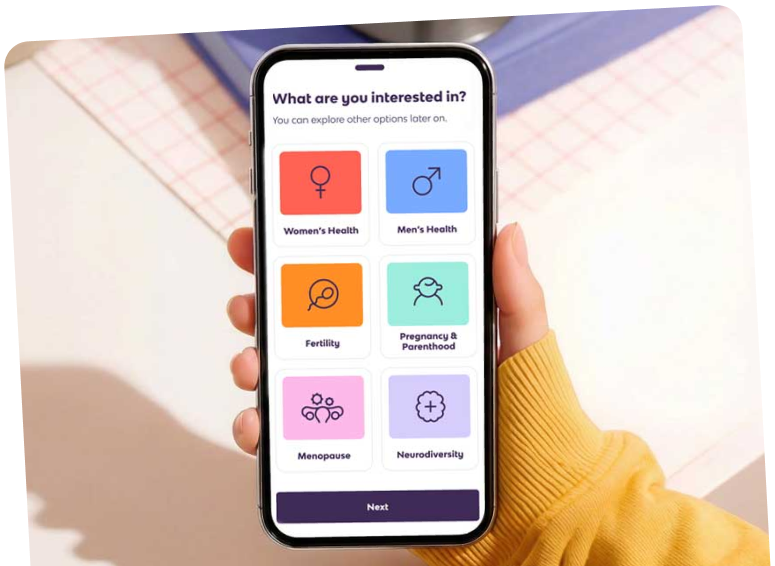
Peppy gives employees unlimited, confidential access to specialist clinicians in menopause, fertility, men’s health, women’s health, pregnancy and parenthood, and neurodiversity, all through an app. It sits alongside your employee assistance programme (EAP) and private medical insurance (PMI), with practical tools for each requirement in the guide, from an action plan template to adjustment guidance for managers.
FAQs
They’re expected to become mandatory in spring 2027 for employers with 250 or more employees. Plans have been voluntary since April 2026.
Employers with 250 or more employees. The plan will be public, so employees, candidates and anyone else can see how you support people through menopause.
Under the Employment Rights Act, employers are expected to have reasonable workplace adjustments in place and line managers who are trained to support their teams. The plan sets out how you do this.
No. ADHD (attention deficit hyperactivity disorder), autism, dyslexia and dyspraxia can qualify as a disability under the Equality Act 2010, and a formal diagnosis isn’t required for protection to apply. Managers should agree reasonable adjustments without waiting for one.
Yes, where it meets the legal threshold. Under the Equality Act 2010, endometriosis, premenstrual dysphoric disorder (PMDD) and similar conditions are judged against the same threshold as any other disability. Where they qualify, employers must make reasonable adjustments.
Day-one paternity leave and unpaid parental leave came into force in April 2026. From 2027, employees are protected from dismissal during pregnancy, maternity leave and the six months after they return. New bereavement leave also covers pregnancy loss.
Equality Act duties for neurodivergent employees and people with long-term conditions such as endometriosis already apply, as do day-one paternity and unpaid parental leave. Mandatory Menopause Action Plans and the new dismissal protections for new parents arrive in 2027.
Peppy adds specialist clinicians in menopause, fertility, men’s health, women’s health, pregnancy and parenthood, and neurodiversity. For neurodiversity, that includes ongoing care before, during and after diagnosis, beyond the assessment-only cover in most private medical insurance (PMI) plans. Employees get unlimited, confidential access through an app.

-1.png?width=600&height=450&name=Untitled%20design%20(8)-1.png)