
Does your neurodiversity support stop at the assessment?
The neurodiversity toolkit for reward & benefits leaders
In partnership with 
The business case, your legal obligations and a 60-day plan, plus how Peppy supports every employee before, during and after diagnosis.
Get the toolkit here:
Most of the need sits before and after the diagnosis
Neurodivergent people work in every team you support. Most benefits mean that people can only get specialist help
if they secure an assessment, and once they have a diagnosis, the support ends.
PMI (private medical insurance) usually covers assessment only. EAPs (employee assistance programmes) aren't built for specialist care.
Everyone still waiting, and everyone already diagnosed, is left to manage on their own.
Inside the toolkit
- The business case: verified data on what unsupported neurodiversity needs cost in absence, presenteeism and attrition
- Your legal obligations: what the Equality Act 2010 means for you, including when reasonable adjustments apply without a diagnosis
- A benefits comparison: Peppy, EAP and PMI side by side, so you can see where your current cover stops
- A 60-day rollout plan: what to do on day 1, 30 and 60
- The support pathway: how Peppy and Psychiatry UK support employees before, during and after diagnosis
How Peppy helps
Support for every employee, from day one.
Peppy gives every employee unlimited, confidential access to specialist neurodiversity clinicians through one app. No diagnosis needed to start.
Before diagnosis: Employees speak to a specialist about what they're experiencing and get practical advice for work, without waiting.
Assessment: Access to assessment through our partnership with Psychiatry UK.
After diagnosis: Ongoing specialist support to understand a diagnosis and what it means day to day.
FAQs
Neurodiversity in the workplace means recognising that people think, learn and process information differently, and shaping support around that. It covers conditions including ADHD, autism, dyslexia and dyspraxia. Employers that offer the right support keep skilled people in roles where they do their best work.
Employers should offer support before, during and after diagnosis, alongside reasonable adjustments at work. That includes specialist advice while someone waits for an assessment, timely access to assessment, and ongoing clinical support once they have a diagnosis. Support that stops at the assessment leaves most of an employee's needs unmet.
Some private medical insurance (PMI) policies cover neurodiversity assessments, but cover usually ends at diagnosis. Employees are often left without support while they wait, or once they've been diagnosed. Check your current policy to see what's included, and where the gaps are.
An employee assistance programme (EAP) offers general wellbeing and counselling support, while specialist neurodiversity support gives access to clinicians trained in conditions like ADHD and autism. EAPs are a useful first point of contact, but they aren't set up to provide assessment, diagnosis or specialist ongoing care.
In the UK, neurodivergent conditions can count as a disability under the Equality Act 2010, which means employers have a duty to make reasonable adjustments. This applies when a condition has a substantial, long-term effect on someone's day-to-day activities. The toolkit sets out what this means for your policies and benefits.
No. An employer's duty to make reasonable adjustments can apply if they know, or could reasonably be expected to know, that an employee has a disability. Waiting for a formal diagnosis before acting can leave employees unsupported and expose employers to risk.
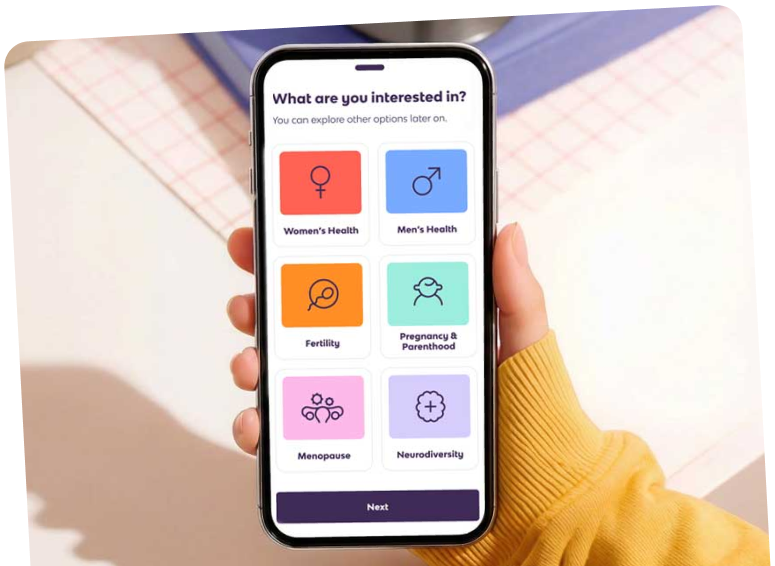
Peppy gives employees unlimited, confidential access to specialist neurodiversity clinicians through an app, before, during and after diagnosis. Through Peppy's partnership with Psychiatry UK, employees can also access assessment. Peppy covers six areas of health in one benefit, so support for neurodiversity sits alongside menopause, fertility, men's health, women's health, and pregnancy and parenthood.
Peppy is live from day one. Each employer gets a dedicated Client Success Manager and ready-to-use rollout materials. The toolkit includes a Day 1, 30 and 60 plan covering launch, communication and how to measure uptake.
The toolkit is for reward and benefits leaders at mid-sized and large employers who are reviewing their health offer or building the case for neurodiversity support. It covers the business case, legal obligations, a comparison of Peppy, EAP and PMI, and a 60-day rollout plan.

-1.png?width=600&height=450&name=Untitled%20design%20(8)-1.png)