-1.png?width=600&height=450&name=Untitled%20design%20(8)-1.png)
THE EMPLOYMENT RIGHTS ACT ACTION PLAN
A 10-point readiness check for HR and
Benefits Leaders
Part of the Employment Rights Act is already law. Part of it isn't, yet. Most HR teams know this. Fewer can say exactly where they stand against it.
This checklist gives you 10 points to score yourself against - split between what you're already accountable for today, and what's landing in late 2026 and 2027 that's worth preparing for now.
.png?width=500&height=625&name=era%20checklist%20(1).png "era checklist (1)")
What you're already accountable for
Since April 2026, large employers have new day-one obligations, including an expectation to have a menopause and gender pay gap plan published or in progress. The Fair Work Agency can now check whether you're meeting them, without needing a complaint to trigger an audit.
The checklist covers 4 points already in force. Are you confident you could evidence all of them?
What's coming and why 2026 planning matters now
From October 2026, claim windows extend and employer liability broadens. By 2027, menopause and pay gap action plans move from "expected" to compulsory. A policy document won't be enough on its own; you'll need evidence it's working.
The checklist covers 6 further points landing between now and 2027, with the cost and risk data behind each one.
Score yourself
Once you've been through all 10 points, you'll get a score band, from high exposure to strong position, and a clear view of where real gaps sit.
How Peppy helps
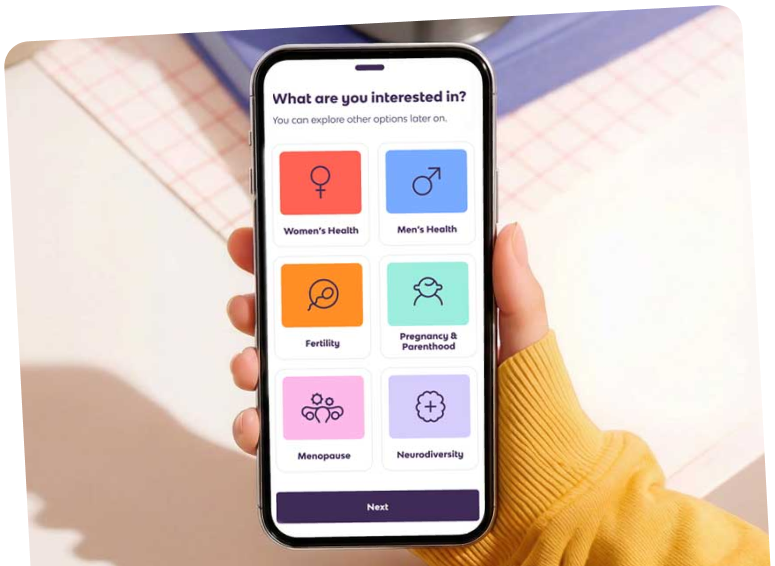
Peppy is here to help by giving you the evidence layer these obligations require: unlimited 1:1 access to specialist clinicians across menopause, fertility, pregnancy and parenthood, men's health, women's health and neurodiversity, with anonymised engagement and outcome data attached to every stage. It's what turns "we support our people" into something you can prove for your action plan, and if a claim is ever made.
Get the checklist here:
FAQs
The Employment Rights Act 2025 is UK legislation introducing new employee protections in phases, with some provisions already in force since April 2026 and further changes landing through late 2026 and 2027.
As of April 2026, day-one sick pay, a duty to give genuine written reasons for refusing flexible working requests, and Fair Work Agency inspection powers are already law. Large employers (250+ staff) are also expected to have a menopause and gender pay gap plan published or in progress ahead of it becoming compulsory in 2027.
Menopause and gender pay gap action plans are expected to become compulsory under the Employment Rights Act in 2027. Employers building theirs voluntarily now have more control over how it's implemented.